Please fill out the form below to request a quote or to request more information about us. please be as detailed as possible in your message, and we will get back to you as soon as possible with a response. we're ready to start working on your new project, contact us now to get started.
Sagitar Automobile is a Supplier Focused On New Energy Vehicle And Gas Car Over 20 Years.
Understanding the Start-Stop System in the Volkswagen Up: How It Saves Fuel and Reduces Engine Wear
2026-09-13
Sagitar Automobile
39
The Volkswagen Up, a city car renowned for its compact size and efficiency, is equipped with various advanced features to enhance its performance and reduce environmental impact. One such feature is the start-stop system, which plays a critical role in improving fuel efficiency and reducing emissions. This article aims to provide a thorough understanding of the start-stop system in the Volkswagen Up and how it operates to save fuel and reduce engine wear.
Introduction to the Volkswagen Up and the Start-Stop System
The Volkswagen Up is a compact city car that has been popular since its launch in 2011. It is part of the New Small Family (NSF) series, which includes the SEAT Mii and koda Citigo as rebadged versions. The Up offers a range of efficient engines, including petrol and CNG options, alongside a battery-electric variant. The start-stop system is a key feature that enhances the car's overall efficiency by reducing fuel consumption and lowering emissions.
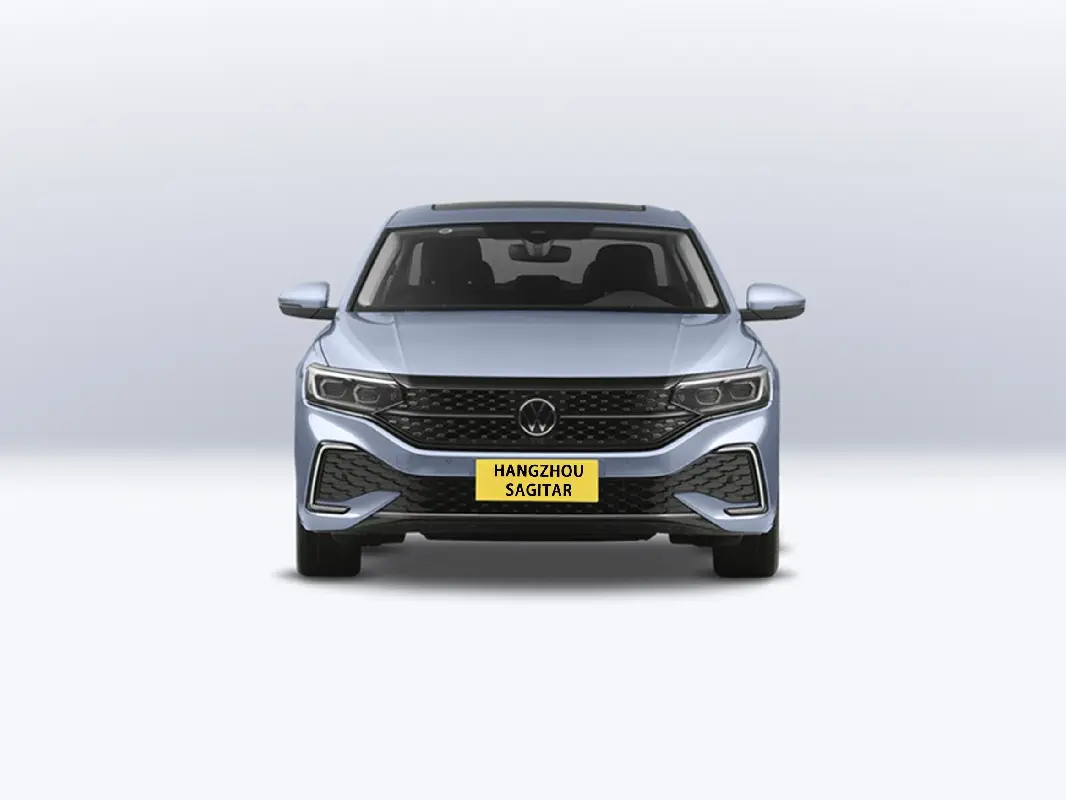
Importance and Benefits
The start-stop system is designed to automatically shut down the engine during idle conditions, such as at traffic lights, in stop-and-go traffic, or when the car is stationary with the engine running. This system not only saves fuel but also reduces harmful emissions, contributing to a cleaner environment. Additionally, the system can extend the life of the car's components by reducing engine wear.
Anatomy of the Start-Stop System
Understanding the anatomy of the start-stop system helps in comprehending its operation. Key components include:
Main Components
- Battery: The battery in the Volkswagen Up is specifically designed to handle the frequent starts and stops generated by the system.
- Engine Management System (EMS): This system detects idle conditions and manages the start-stop cycles.
- Alternator: This component provides the necessary charge to restart the engine.
- Starter Motor: It is responsible for restarting the engine during the cycles.
Detection and Response
The start-stop system in the Volkswagen Up works by continuously monitoring vehicle speed, engine movements, and battery health. When the car comes to a complete stop, the engine automatically shuts off, usually within one to two seconds. When the driver releases the brake pedal or presses the clutch, or when the car rolls slightly forward, the engine restarts seamlessly, ensuring the driving experience is smooth and uninterrupted.
Start-Stop System Working Mechanism
To truly understand the effectiveness of the start-stop system, it's essential to explore its working mechanism in detail.
Timing and Process
The start-stop cycle begins when the vehicle comes to a complete stop. Here's a breakdown of the sequence:
- Sensor Detection: Sensors monitor vehicle speed, engine revolutions, and battery charge levels.
- Engine Shutdown: Once the vehicle is stationary and all conditions are met, the engine shuts down.
- Sensors Monitoring: The system continuously monitors all the relevant parameters.
- Engine Restart: When the driver releases the brake pedal or presses the clutch, the start-stop system restarts the engine.
Component Interaction
The system requires seamless interaction between multiple components to operate effectively:
- Battery: Acts as the power source for restarting the engine.
- EMS: Controls the timing and monitoring of the start-stop cycles, ensuring smooth operation.
- Alternator: Provides the necessary power to recharge the battery while driving.
Safety Mechanisms
Modern start-stop systems like the one in the Volkswagen Up include several safety features to ensure reliable operation:
- Fuel Cutoff Valve: Prevents fuel from entering the engine during idle periods.
- Engine Temperature: Monitors engine temperature to ensure it's sufficiently cooled before shutting down.
- Battery Health: Checks the battery's condition to prevent over-discharge.
- Coolant Level: Ensures coolant levels are optimal to reduce engine stress.
Reducing Engine Wear with the Start-Stop System
One of the primary concerns for many drivers is whether frequent starts and stops might increase engine wear. However, the Volkswagen Up's start-stop system is designed to minimize wear through several mechanisms:
Engine Parts Affected
The start-stop system reduces wear on several engine components, including:
- Bearings: Frequent starts and stops reduce the stress on bearings, which are critical for engine smoothness and longevity.
- Pistons: The high frequency of starts and stops can decrease the wear on piston rings and the pistons themselves.
- Crankshaft: Less idle time means less friction and wear on the crankshaft and its associated components.
- Gearbox: Reduced idle time can also lower wear on the gears, clutch, and transmission system.
Examples and Breakdown
Bearings
- Reduction in Friction: During idle conditions, the engine's bearings remain stationary, reducing friction between moving parts.
- Enhanced Lubrication: Regular operation allows for consistent lubrication, extending bearing life.
- Lower Stress: The system prevents excessive loads on bearings that can occur during prolonged idle periods.
Pistons
- Lower Thermal Stress: Frequent starts and stops reduce thermal stress on pistons, preventing uneven heating and cooling that can lead to warping or distortion.
- Reduced Carbon Buildup: Less idle time means fewer opportunities for carbon deposits to form, maintaining optimal piston performance.
- Improved Fuel Efficiency: Optimized fuel injection reduces the accumulation of soot and residues, extending piston life.
Crankshaft
- Reduced Wear: Frequent starts and stops lower the load on the crankshaft by minimizing idle-time stress.
- Consistent Lubrication: The system ensures that lubrication is consistent, reducing wear and tear over time.
- Lower Heating and Cooling Cycles: This variation maintains a more stable operating environment, reducing thermal stress.
Gearbox
- Lower Wear: Frequent operation means less time for gears to seize or gum up due to inactivity.
- Optimal Lubrication: The system ensures consistent lubrication, preventing dry runs that can cause wear.
- Reduced Seizing: Regular operation reduces the risk of gears seizing or becoming stuck due to prolonged inactivity.
Calculating Reduced Wear
The system can reduce engine wear by up to 15% in standard driving conditions. This is due to the frequent cycling that helps to maintain consistent lubrication and prevent uneven heating and cooling, which can cause thermal stress and damage.
Fuel Savings Explained
A major advantage of the start-stop system is its ability to significantly reduce fuel consumption. Let's delve into how it achieves this:
Idling Reduction
The system minimizes idle time, which is a significant source of fuel consumption. By turning off the engine during stops, the vehicle isn't burning fuel unnecessarily.
Mathematical Breakdown
The fuel savings can be calculated based on idle time reduction.
Idle Time Savings
- Idle Time: In stop-and-go traffic, idle time can account for up to 10% of driving time. The start-stop system reduces this to nearly zero.
- Fuel Consumption: Reducing idle time cuts fuel consumption by a similar percentage.
- Estimated Savings: By reducing idle time by 10%, the system can save approximately 10% in fuel consumed during idle periods.
Case Scenario
Assuming the Volkswagen Up is driven 10,00.2 miles annually, with approximately 1,000 miles in stop-and-go traffic:
- Pre-Start-Stop System: If the car idles for 10% of the stop-and-go driving time, the fuel consumption would be:
- 1,000 miles with 10% idle time = 100 miles of idle time.
- Assuming 0.05 gallons per mile of idle time, 100 miles * 0.05 gallons/mile = 5 gallons saved.
- Post-Start-Stop System: With the start-stop system, idle time drops to nearly zero, saving approximately:
- 100 miles * 0 = 0 gallons (theoretically, no fuel is burned during idle).
Empirical Data
Studies show that under typical driving conditions, the start-stop system can reduce fuel consumption by 5-10% in urban environments and up to 15% in heavy stop-and-go traffic.
Maintenance and Considerations
For the start-stop system to function optimally, regular maintenance is necessary. Proper upkeep ensures the system works efficiently and prolongs its lifespan.
Battery Maintenance
- Battery Check: Regularly check the battery's charge level and condition to ensure it can handle frequent starts and stops.
- Replacement: If the battery shows signs of wear, it should be replaced to maintain system performance.
- Quality Batteries: Use high-quality, OEM-approved batteries capable of withstanding the higher demands of start-stop cycling.
Engine Health Checks
- Oil and Filter Change: Regularly change the oil and filter to maintain engine health, especially under frequent start-stop cycles.
- Coolant Level: Ensure the coolant level is optimal to prevent overheating.
- Motor and Gearbox Lubrication: Check the lubrication levels to reduce wear and extend system life.
Preventive Measures
- Air Conditioning: Turn off the air conditioning while the engine is off to prevent repeated engine restarts just to power the AC.
- Driver Habits: Encourage consistent use of the start-stop system to maximize fuel savings and reduce emissions.
Optimal Use for Best Results
The start-stop system is designed to operate efficiently in certain driving scenarios. Here are some tips to get the most out of it:
Suitable Driving Scenarios
- Urban Driving: Ideal conditions, as frequent stops and starts are common.
- Stop-and-Go Traffic: Where frequent stops and starts are the norm, minimizing idle time.
- Parking: When waiting at traffic lights or in parking lots.
Best Practices
- Consistent Use: Turning the system on in most driving scenarios promotes fuel savings.
- Avoid Excessive Idling: Limiting idle time keeps the system active, enhancing fuel efficiency.
- Battery Quality: Use a high-quality battery that can handle frequent starts.
FAQs
Common Questions
- Does the start-stop system impact battery life?
No, the system is designed to extend battery life by reducing the stress of prolonged idle time.
Can the start-stop system be turned off manually?
Yes, the system can be deactivated manually by switching it off through the settings in the vehicle's infotainment system.
Does the start-stop system work in cold weather?
Yes, the system operates in cold weather but may be adjusted to account for lower battery efficiency.
How often should the battery be replaced?
The battery should be checked regularly, and replaced when signs of wear are observed or the manufacturer's recommended replacement interval is reached.
Does the system impact fuel economy in high-speed driving?
- While less noticeable in high-speed driving, the system still offers benefits, especially in urban environments.
Answers and Tips
- Battery Maintenance: Regular battery checks ensure optimal performance, extending system lifespan.
- Optimal Driving: Use the system in urban environments where frequent stops are common.
- Cold Weather Adjustments: The system may operate slightly differently in cold conditions, ensuring safe and efficient operation.
By understanding and optimizing the use of the start-stop system, Volkswagen Up owners can enjoy enhanced fuel efficiency, reduced emissions, and extended engine life.
In summary, the Volkswagen Up's start-stop system is a versatile and effective feature designed to enhance fuel efficiency and reduce environmental impact. By reducing idle time and optimizing driving conditions, this system offers significant benefits to both the vehicle owner and the environment.
Table of Contents
- 4.2.1Bearings
- 4.2.2Pistons
- 4.2.3Crankshaft
- 4.2.4Gearbox
- 5.2.1Idle Time Savings
- 8.FAQs
GET IN TOUCH WITH Us
Consultation Hotline
+86 198 5712 9330
Quick Links
Collection
Contact Us
Copyright © 2026 Hangzhou Sagitar Automobile Export Co.,Ltd - www.china-evcar.com | Sitemap | Privacy Policy